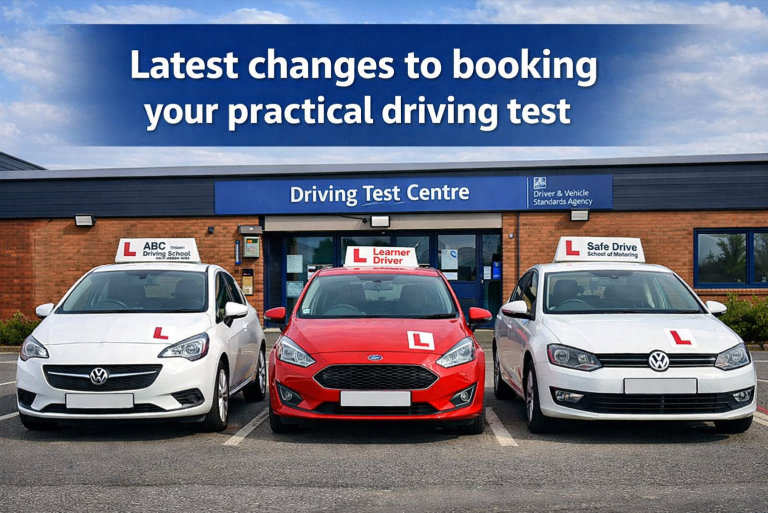
Practical Driving test changes effective March 2026
Here is a visual summary of the new UK DVSA rules for booking a car driving test, effective from 31st March 2026, 12th May and 9th June. These aim to make the system fairer and reduce misuse.
Big Changes Are Here: How Booking Your UK Practical Driving Test Has Changed in 2026
If you're learning to drive in the UK in 2026, the process of securing — and keeping — a practical driving test slot looks quite different from previous years. The DVSA introduced a package of reforms starting in spring 2026 to crack down on unfair practices and encourage learners to book only when genuinely ready.
The headline updates fall into two main phases:
1. From 31 March 2026: Strict Limit on Changes to Your Booking
One of the first and most immediate rules kicked in on 31 March 2026:
- You can now only make up to 2 changes to a booked practical car driving test (previously the limit was 6).
- A "change" includes:
- Altering the date or time
- Switching to a different test centre
- Swapping the appointment with another learner (a practice some instructors used to juggle pupils)
- Important reset clause: When the rule began, every existing booked test was automatically given a fresh allowance of 2 changes, regardless of how many had already been used before 31 March.
- If you exceed the 2-change limit, you'll need to cancel the test and book a new one (with the usual notice period and potential refund rules applying).
Cancellation / change notice period reminder You still generally need to give at least 10 full working days' notice (Monday–Saturday) to change or cancel without losing your fee. Changes made with sufficient notice remain free.
Why the change? The DVSA wants learners and instructors to book tests only when the candidate is truly test-ready and can realistically attend at the chosen centre and time. Frequent changes and swaps contributed to "churn" that blocked slots for others and lengthened national waiting times.
2. 12th May 2026: Learners Must Book Their Own Tests (No More Instructor Bookings)
3. 9th June 2026: Only book either Hastings or Eastbourne for Eastbourne Test Centre (If you book Hastings you will be allowed to swap to Eastbourne)
- Only the learner driver themselves can book and manage a car practical test via GOV.UK.
- Approved Driving Instructors (ADIs) and third-party services are no longer permitted to book tests on behalf of pupils.
- Additional geographical restrictions apply: once booked, you can only move the test to centres within a limited local area around the original test centre (to prevent people booking in low-demand areas and then transferring to high-demand cities).
Impact on instructors ADIs can (and should) still set their own availability windows in the system so pupils see only slots where the instructor can actually attend as the accompanying driver. But the booking action itself must come from the learner's GOV.UK account.
Why the change? This directly targets the long-standing problem of bots, ticket-touting websites, and unscrupulous resellers who used instructor accounts (or bulk automation) to hoard desirable slots and then sell them on at huge mark-ups. By putting control directly in learners' hands — and limiting how much those bookings can be shuffled — the DVSA hopes to free up more genuine appointments and reduce average waits.
What Hasn't Changed (Yet)?
- The core practical test content, manoeuvres, and pass standards remain largely the same (though minor format tweaks — fewer routine stops, less frequent emergency stops, more independent driving — became permanent in late 2025).
- Proposals for a mandatory minimum learning period between theory and practical tests are still under consultation and not yet in force.
- Waiting times are still long in many areas (often several months), and the government has acknowledged it won't hit its earlier "7 weeks by summer 2026" aspiration.
Tips for Learners in 2026
- Book only when ready — with just 2 changes available, moving your test repeatedly is no longer an easy option.
- Use the official GOV.UK service: https://www.gov.uk/book-driving-test (and log in with your own details).
- Check instructor availability first — coordinate dates carefully before confirming.
- Monitor your theory test certificate validity (still 2 years) and aim to book early once your instructor confirms you're near test standard.
- If nerves or readiness become an issue, it's usually better to change early (within your 2 allowances and 10-working-day window) than risk a premature test and failure.
These 2026 reforms represent the biggest shake-up to the practical test booking system in years. While they may feel restrictive at first, the goal is a fairer process for everyone — fewer ghost slots, less profiteering, and (hopefully) shorter waits over time.
Stay updated via the official DVSA page: https://www.gov.uk/guidance/changes-to-driving-test-booking-rules-in-2026
Safe driving — and good luck with your test! 🚗
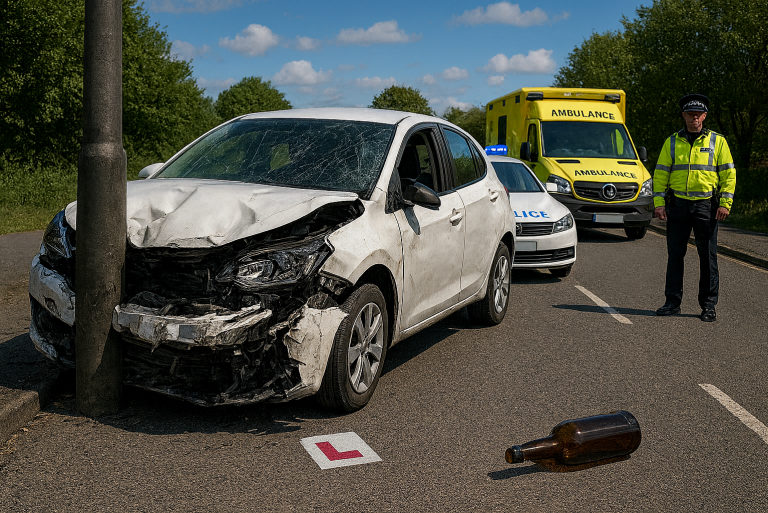
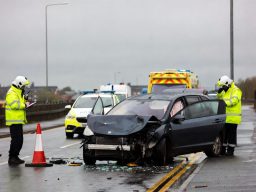
The Morning After: Why You Might Still Be Over the Limit
Do you want a criminal record?
Most of us know not to get behind the wheel after a few drinks. But here’s the thing people often forget: you can still be over the legal alcohol limit the next morning – even if you feel totally fine.
Dont Risk It
The UK Drink-Drive Limit
Is it worth the risk?
In England, Wales and Northern Ireland, the limit is 35 micrograms of alcohol per 100ml of breath (or 80mg in blood). Scotland is even stricter, at 22 micrograms (50mg in blood).
Sounds technical, right? The bottom line is this: the limits are low, and alcohol lingers in your body for much longer than you think.
Why the “Morning After” Catches People Out
It takes ages to leave your system – roughly one unit of alcohol takes about an hour to process, and that’s just an average.
Big nights add up – a few pints or glasses of wine can easily push you into double figures (units). That could mean you’re still over the limit at breakfast time.
Feeling fine doesn’t mean you’re safe – your body might have sobered up enough for you not to feel tipsy, but the breathalyser doesn’t care how you feel.
In fact, road safety charity Brake says that around 1 in 5 drink-drive convictions happen in the morning. Yep – not at 1am on a Saturday, but at 8am on the Monday commute.
A Quick Example
Let’s say you finish six pints at midnight (around 14 units). It could take until early afternoon the next day for your system to clear all that alcohol. If you jump in the car at 8am, you could still be breaking the law. The Risks Aren’t Worth It
Being over the limit doesn’t just mean a ticking-off. The consequences are serious:
- At least a 12-month driving ban.
- Unlimited fines.
- A criminal record.
- Higher insurance premiums.
And if the worst happens – prison time.
So, What Can You Do?
- Plan your night out – book a taxi, use a lift-sharing app, or crash at a friend’s place.
- Don’t fall for the myths – coffee, showers, or fry-ups don’t sober you up. Only time does.
- If you’re not sure, don’t risk it. Better to be late to work than lose your licence – or worse.
Final Thought
The morning after can be a real trap. Loads of perfectly responsible people get caught out because they assume “sleeping it off” makes them good to drive. The safest rule? If you’ve had a heavy night, leave the car at home the next day.
Use the link below to give you a rough guide as to how your drinking on a night out can impact you driving the next day!
36,415
Number of drivers convicted of drink driving offenses in 2024 in England and Wales
17%
A percentage representing fatalities on the road caused by drink driving.